From Craft Fairs to Tech Platform: Cherie Edilson’s Journey Accelerating Local Business Through Community-Focused Marketplaces
Joshua McNary [00:00:00]:
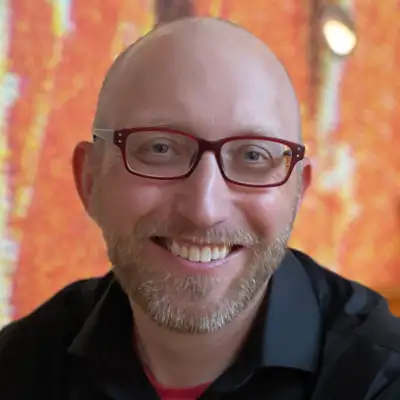
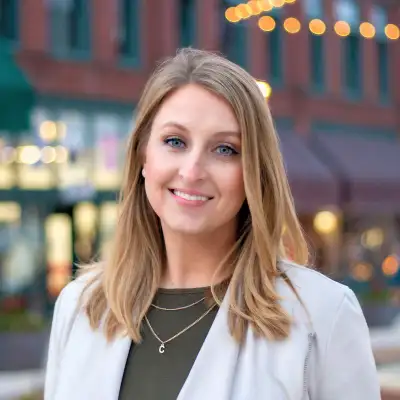
Welcome to the Biz Tech Superhero, the podcast that empowers you to unleash the technology superpowers within your business. I'm your host, Joshua McNary. I'm joined by today's superhero, Cherie Edilson, founder and CEO of Member Marketplace. Based in Marion, Iowa. Her company is a platform helping local small business post, sell, connect and grow. The company manages over 55 marketplaces in 30 states, helping more than 8,000 businesses thrive. Sherry started this company after growing a handmade product business, launching her first local marketplace and seeing firsthand how underserved small businesses are in the digital economy. That experience became the foundation of a scalable SaaS platform now powering business communities across the country.
Joshua McNary [00:00:48]:
She is passionate about building tools that meet organizations and small businesses where they are offering a local Amazon like marketplace without the tech burden by being flexible, affordable and community first. Today we plan to talk about tech for small business, local communities, e commerce plus AI and more. Sherry, welcome to the show.
Cherie Edilson [00:01:12]:
Hey Josh, thank you for having me.
Joshua McNary [00:01:14]:
So for folks that are just meeting you for the first time, could you share a little bit about who you are and what you do?
Cherie Edilson [00:01:20]:
As you said, I'm Cherie Edilson. I'm the founder and CEO of Member Marketplace. We build technology that helps chambers cities business organizations better support their small and local businesses online. I was actually a small business owner. Like you said, it started really scrappy. I was selling myself at farmers markets or my hair bows at farmers markets and craft fairs, juggling kids and events and trying to manage online sales. And I did one craft fair in the winter here in Iowa where you couldn't get out of your driveway. And so that whole craft fair, nobody came, there's no customers.
Cherie Edilson [00:01:55]:
Then I called my husband, he put the boots on the kids and we shot from all these businesses that year for Christmas. And we thought these businesses are really amazing that you probably wouldn't even know they existed unless you came to this little winter craft fair. So that was the preface of what we built then was how do we help you find, discover, shop, buy from the businesses that already exist in your community like you can on Amazon. And so that that first marketplace was here in Cedar Rapids. And we've grown that concept in some form or another over the last eight years or so.
Joshua McNary [00:02:27]:
So when you got started with this thing, you had a little help, I know, from your husband with regards to technology. But it was scrappy from the beginning with regards to getting that element going. So can you talk about that element of it since this is the BizTech superhero. And you've developed an amazing technology solution with your problem set. Can you talk about how that got going and how you overcame it? Because a lot of businesses can't even get off the ground with that because they don't have the resources available to do that.
Cherie Edilson [00:02:56]:
Yeah, I would say this is where any of my businesses or business endeavors have started from, is an idea that I just start doing. And I think that's the biggest thing for anybody who has an idea, who wants to build a company. Tons of people have ideas, only some people actually act on them. And so this was an act. Yes, I had a resource in house. My husband was a web developer. You guys have collaborated on lots of projects and businesses in the past. So I had that help already inside, like, hey, could we build a platform to showcase these businesses? And it was not.
Cherie Edilson [00:03:26]:
We didn't launch an LLC first. We didn't go and get all of our business licenses in there. We didn't even research sales tax and Nexus and how to do that on Marketplace. Any of the bigger things that you need to know. We just build a website and use some initial plugins and things to put together and like, hey, this looks a little bit like what we thought it could. And then I started talking to a few businesses and saying, hey, we're launching this. Would you be interested in helping us figure out if this is a thing? So that, I mean, that's my biggest advice to anybody who wants to start something is just start and go further down the road. If I were, you know, had tons of money and had everything figured out in the beginning, maybe I would go at it in a different way and we would get all of our ducks in a row first and then launch it.
Cherie Edilson [00:04:08]:
But for us, we've always just started building and launching to see if it actually works. And then once it starts to work, that's when we go back and maybe fix some of the original things or then talk about the branding or then talk about the pieces from there. Because maybe you start doing it, you realize you don't even like it in the first place and you don't want to keep going.
Joshua McNary [00:04:24]:
There's two lessons in there. I hear there's one is that element of just take action and you get that feedback cycle going. That's a big thing to do. You get. Get the ball rolling, and that's how the business even started in the first place. The primary business you have now, right, you were doing. You were a local business, and then you realized the problem, and then you started through that Action of the original business is how you found this business. And that just kind of shows that play out.
Joshua McNary [00:04:46]:
But then the other element of this is finding and being scrappy with the resources you had. Now, again, you had a spouse that could help you directly with technology specifically. But we all have somebody in our lives that can help us in whatever it is, marketing, sales, technology, finance, whatever it might be that we need in our businesses. So find those resources and figure out how to make them fit into what.
Cherie Edilson [00:05:08]:
You'Re doing and just having those conversations. So the second iteration of what we are building now came from the first issue that we saw in the current marketplace, or our first marketplace where we needed all the backends to be connected, but they're all individual and siloed. And so then we have somebody else in our life that is a developer that works for this other company. I said, oh, we can build it and connect it in this way. So we didn't know if that was going to work. We just started dabbling down that road. And now we have a whole secondary part of our business that we're going to actually probably shift the whole first wave into the second. So we still continue to do that kind of in house as well on whatever we're launching.
Joshua McNary [00:05:43]:
Okay, so let's talk about your tech stack and maybe build on what you were just saying there as this evolving company that is using technology at the core of everything you do. So you started with these basic individual marketplaces. You started with one marketplace, really, and then you now have many marketplaces that you alluded to that idea of, okay, now we're connecting the data silos, which is a buzzword or a buzz thing here in 2026 as we record this. So can you talk about a little bit in high level, that evolution and maybe a few lessons you've learned along the way?
Cherie Edilson [00:06:14]:
Yeah. So WordPress is what we knew first. That's what my husband developed on. And so we did a off the shelf plugin for Marketplace to say, hey, could this work? Then we could, we knew enough code, or he knew enough code, I should say, to customize it in the ways that we wanted to, to get that first iteration working, got businesses up. And then as you start to use it yourself and your businesses, then you realize, okay, there's, there's this, this and this I wish you could do. People are asking about this. That exists on another platform. How do we make this work? So then we went back and tried a few different versions of some marketplace plugin in the beginning, found the one we ended up liking.
Cherie Edilson [00:06:47]:
And then we customized on top of that, so we got another developer that had more skills than what my husband could do. That then built in our Shopify integrations, built in our spare integrations, built in messaging and things happen in other ways that we wanted it to happen to get that whole platform working really well. And so that did and that launched most of those. The great pieces that we offered are launched in like 2020, 2021. During the pandemic when a lot of communities needed to be online because their stores were closed, people needed this resource and community saw that, hey, they've got to change how they're support businesses online. So really good time for us when maybe it wasn't for other businesses. As we started to come out of that cycle, the cost and maintenance of these individual sites is a lot. Not that every community can afford it.
Cherie Edilson [00:07:31]:
And if things have changed, that's where some of our contracts started to change as well. We always heard this, we love you, we love this concept. They didn't get enough of their businesses activated in the timeframe to really kind of justify that renewal. And so it's not that the core issue didn't exist, it's not that it wasn't a valuable piece, but they couldn't justify it in that regard. So when we started to dream of this next phase two, we wanted a marketplace that we could turn on in a day, we can do it now in an hour. Where other ones we took four to six weeks to launch, it would customize the heck out of it. And then it takes another at least one to two months to get enough businesses up and products up to really make that whole flywheel start working. Then you gotta start to market it.
Cherie Edilson [00:08:12]:
And it's a lot. And so unless you have a big enough budget to support that, it's probably not gonna work. So for these smaller communities we wanted, we could turn it on a day, import your businesses, get them filled into the directory, wide way, auto, send off notifications, potentially even post for em, and do these other pieces. So we started dreaming. And then that's when we found this technically through Outsystem. So it's kind of a no code, low code, but high dev platform that our 2.0 product is built in. And the other thing for us that it does on the other side is all of our marketplaces are connected to the back end. So while you might go to Staten island, the marketplace and see them and see the businesses and things on there, on our end we have one back end to go in and manage Staten island manage all of our, all of our sites.
Cherie Edilson [00:08:51]:
Staten island is different than Southwest Michigan first is different than now. Venice, Main Street. They'll have their own displayed out and we can handle that. And we. There's so much more that we can now build to do this because it's kind of infinitely possible where we were really constrained before. So those are some of the main pieces that we wanted is like, this is ours. It's proprietary now where for off the shelf things that we customize and when one piece breaks and you got to go back in and fix all of the other pieces later on. And so we wanted to get away from this half customized, half plugin, half whatever.
Cherie Edilson [00:09:19]:
We now own the whole thing. It's taken us longer to develop and is still not to the full. I don't know that ever will be, but to the full thing that I envisioned in my head of where this can really go. But we are on our way there and we actually have a proprietary platform that is gonna kick some real ass here soon.
Joshua McNary [00:09:35]:
That's great. But I've always appreciated you and your team because you've always been doing things in ways that like I talk to my clients about doing. You're thinking about the customer, the people that you're obviously serving. You can't live without them. And so you've learned so much over the years from again, just acting and doing the things and you know what they really need. So that was where you started that discussion about this 2.0 version. And then you're talking about your internal needs as well, so that you as a small team can service all these clients and all these locations that you're working with. And all the more that will come as you proceed and doing it.
Joshua McNary [00:10:10]:
And you're building for the future in that way. So you're being strategic with the information. You learn by taking action early, which is this kind of my story too, I think, on how I've generated and done my business. And that's often why I tell people that our startups take the action and then as you get more information, you could be more strategic and make wise decisions. And it's awesome to hear that you're moving into this new endeavor where you're going to have this platform that you have that ultimate control over and are able to really customize as you continue to learn new things, as I know you will.
Cherie Edilson [00:10:42]:
Yeah.
Joshua McNary [00:10:43]:
So I guess tell us a little bit about that process of picking this new platform or this new how you decided to choose to go the direction you're heading. Now on 2.0 so you mentioned WordPress previously and so I guess was that kind of through a strategic process or again was it more that quick action element or you talked about the dreaming component of it. What was that like? Was I just some notes on the back of a napkin or did you have more of a process to that? How long did that take? I'm curious about how that works with regards to that evolution because a lot of companies maybe don't even ever get there and they can learn a lot from you with regards to where you're, how you did that.
Cherie Edilson [00:11:21]:
Yeah, the, the first generation of, of thinking about this is we had a potential customer has not worked out and I'll put a yet, we'll see if it still does, but potentially a large, very large state contract. So we already have worked with the state of Iowa on Shop Iowa and that was a, an E commerce marketplace kind of in that legacy platform, businesses from all across Iowa can sell their products and customers can check out once from multiple different businesses. So a great model to build from this was going to be with a different state and rather than the amount of businesses that maybe I shot by, it was going to 100x the amount of businesses that are on there. And knowing what we know about our original platform, it was not going to be able to sustain the potential that could come from that. And so that's where we had to go down a rabbit hole of looking at like what could sustain this, what would this look like, what. So we, we ended up, we knew out systems. My brother technically is a software developer as well as he was working in different companies in their software dev. This is a company he discovered and fell in love with because of its no code, low code ability to handle all sorts of things.
Cherie Edilson [00:12:27]:
And so had been talking about it for a little while. So as we knew we needed to scope something else. We actually had a meeting with them, talked about what this potential project could be, time frame to execute, make it look very similar to how our other one but do all these other things. And so we got an initial quote from them that was like a bajillion times higher than I had imagined. But we had something now should this other thing come through, we could ramp this up and push this out. That one didn't end up coming in the way that we wanted, but that was the we knew we had this in the back of our head that we could go there eventually. And then I would say the impetus that maybe actually pushed us into moving this forward more was that some of it hurts my heart every time I lose a client. Like I've fallen in love with these communities and the people that we work with.
Cherie Edilson [00:13:08]:
And it was always this kind of we love you, we love the concept, we love the platform, but blah blah, blah, blah blah. And so we needed to get to a lower price point. We needed to be able to turn it on quickly. We needed a way to ramp up the business as quickly and serve all businesses, not just those with physical products and take away some of the barriers that were there for businesses. So the barriers for businesses were not everybody wants to ship products. How do can we get away from shipping? But you had to. If you're selling a product online. We need to figure out that shipping concept.
Cherie Edilson [00:13:34]:
We needed to figure out a way to bypass some of their policies. They don't know yet what their return policy is for online sales if they've never done it before. There's all these like blockers. So we go around and get rid of like all of these pieces that were required before because we needed them on E commerce and get as simple on the flight as possible to implement right away and start getting value. And so as we started talking with my brother John about this, he just started coding a platform versus the back end based off of these things and probably got the first iteration in a couple of days. You're like, okay, this doesn't look anything like we thought, but I think it's similar. Like oh, but then we like this part. So like it just started doing that.
Cherie Edilson [00:14:12]:
And again dreamers, and maybe you're this way too, dreamers sometimes will think this is going to happen really quickly. This is, we're building this and we could have this done in three weeks, three months. And while the first versions were there and you could put businesses in and products and add their things and get notifications and all the things that we wanted where it is today versus a year and a half ago, two years. When we first started on this 2.0 journey. It's come light years and is actually being used by communities right now. We just switched one of our E commerce platforms that wasn't taking off as well and it was really hard for the businesses to get involved in. Sometimes these legacy business owners just they, for whatever reason, they don't want to adopt E commerce but they do want to promote themselves, they do want to talk about their offerings, they do want to connect with people. That's really what this is.
Cherie Edilson [00:14:55]:
It's a light version of a marketplace. You don't have to commit to selling it online. But you're educating your community what it is. We just transitioned one and I was talking with one of our employees earlier about the site. Businesses that were never activated on the old platform are already coming in here and posting and getting leads and things right away. So when it makes sense to transition their platform, this is, we just know it's a win. So it's got a lot of better use cases and more data things in there now. And now our product backlog is just growing because there's so many things that we know now are possible.
Cherie Edilson [00:15:26]:
It's really infinitely possible. We're building AI stuff into it. We've got a few components already. We have versions for E commerce to pull in later. We've got, oh, there's just so many new exciting things that we're pushing into this. I can go on for days. But it's going to be, it is going to be the thing that changes local business ecosystems. The part that we are addressing is there's all of these organizations, your Chamber of Commerce, your Main street district, your things, they were never really meant to scale online.
Cherie Edilson [00:15:52]:
They're offline things really. And they've added maybe a member directory and there's their online component to really support businesses. But that doesn't really do much for businesses in today's technology world. And businesses have to go alone then online, their own website, their own social media channels. They have to attract every follower like Click Share. We are building the platform to encompass that all through the networks that are already there and giving this organization a tech platform to really scale the same way some of these, the big guys do. So it's going to be a game changer. Probably not as quick as I like, but you will, this will be a household name.
Cherie Edilson [00:16:23]:
At one point.
Joshua McNary [00:16:24]:
You're doing pretty well with all the different places you already have on the old platform or the new platform. Now that story you just told us there about how you've evolved the technology and then the business model at the same time is I think, where I want to go next with you. So yes, you help many thousands of small businesses that are very busy and are not necessarily thinking about E commerce first because they're just trying to pay the bills for whatever brick and mortar they're in. You do work with the chamber of commerce or the equivalent in various communities to get the ball rolling or maybe even on state level the equivalent of that. So can you talk a little bit about that in the context of the technology? Because this is the biz tech superhero. It's not just the Technology, it's also the business side of it. So I'd like to hear a little bit about how that has worked out for you or how you went about that, how you got to that point, working with those agencies within the communities and then how's that going and maybe build on a little bit of what you were talking about a moment ago.
Cherie Edilson [00:17:23]:
Yeah, so the first marketplace that we did was just. Well, we weren't working with any local organization. We built it ourselves. It was called the Cedar Rapids Marketplace because it was businesses in the Cedar Rapids area. And that's when we had to start up accelerator because we thought this should be a tool for chambers of commerce that are running farmers markets. That was our initial people too because I was selling at farmers markets, the chamber ran the market and all of those that are doing it. How do you then put your farmers market vendors all online together but then even further out the whole business community, that's how we decided to take it into there. Because they're the ones that really should be doing this for them.
Cherie Edilson [00:17:55]:
We're not trying. We weren't and I don't think we ever are necessarily in the same regard trying to be the next Amazon, trying to be the next Etsy. It's not us. We really want it to be about how do you find support the businesses exist in your community, whatever that community is. So now as we go out to these partners, there's a base fee. Now with the new platform we're able to really lower that, especially depending on the amount of businesses that they have. That's where it'll scale. So depends the size of your community, but a really low base fee and then x amount of businesses can onboard that are affiliated with your organization or your community for free.
Cherie Edilson [00:18:27]:
And they get a spot to go in and have their own user login to go in and make their own posts, update their own profile. They can go in and message other businesses. They can make a request. They say hey, I need turquoise pens for an upcoming trade show and I want to spend no more than $150. I need 200 of them. It'll spit out a lead to anybody who does promotional print products and they can compare notes and you can get it locally versus quicker than you wad a baby would on Vistaprint. So how do we help them navigate find that even easier then the business model. Where it's evolving is there's a few upsells in there for the organization as well.
Cherie Edilson [00:19:00]:
They can sell upsell featured members. So how do we help them make revenue that's one of the pieces these organizations are always looking for non dues revenue. How do they be more impactful, more sustainable so they can upsell their featured businesses. They can add in a sponsor section in there, take sponsors. They can enable enhanced posts and profiles for businesses. So some of the extra visibility features they get to control on their end. If they bought the premium side, where we will come from then on the other part of that is we are building in more into the tech stack on that. So if a business does want automated business posting that they don't have to touch, which we know we've learned over the years is one of the biggest things for businesses.
Cherie Edilson [00:19:35]:
They can't market themselves, they don't have time, you know this as well to make social media posts, to even add new products to any of those pieces. So how can we auto create this for you based on what we already know about your business and automatically post it to the marketplace? And by the way, if you want to share it on social media it's going to go out to these platforms that you've already assigned. So that's one of the pieces that we're building in right now. We are going to be learning. We have a lot of data already, but learning even more data. How many people are searching for bookstores in your area but that doesn't exist yet? How many people want this book but your bookstore doesn't even say that you offer that yet that we can share that data back in with you? What do we learn on an overall community level that we can share back with both that regional partner and the greater small business networks across our communities everywhere? Who needs some of that data that we can then give out reports or information to? I'm always very protective of like back end business data. I don't want to be sharing people's emails for you to market to if that's not. That's not the kind of data we want to sell.
Cherie Edilson [00:20:24]:
We want to sell. What are people looking for? How do they want to use this? What kind of things are people requesting that they didn't find? Matching leads on somebody liked your post and saved it or shared it with somebody. Do you want to know who this person is? Because now there's maybe a lead for your business. It's looking for your service. So the things that are helpful to people grow their business or the chambers to grow their business community to help the whole ecosystem. That's the data things that will involve some upsells or other integrations that we might pull in again. Your shopify products into the store and make it easy. But instead of checkout on our website this time what we will build in is going to preload your Shopify cart for you and you can go check out from Josh McNary's store without us having to be the merchant of record for every single business because that's also a headache in some regards.
Cherie Edilson [00:21:05]:
So we want to and the businesses want the sale on their own Shopify store and sometimes it's getting them pulling into ours was a barrier. How do we help preload your cart, get that as quick as possible from that general user into that other your cart. And we know when we've tracked that sale. And by the way, as a consumer you said you wanted to support more women entrepreneurs in your own zip code. We can now track that you've spent eleven hundred dollars from women owned businesses now through our platform. So all of the data and research and everything, it's going to feed the whole ecosystem. And I am on fire every time I think about all the things that we can build in this. It's, it's just hard to constrain it to like what comes next.
Cherie Edilson [00:21:39]:
That's my, my main barrier right now.
Joshua McNary [00:21:41]:
That's the entrepreneur visionary problem. Right. And then when we come to technology as you've been discussing our, we get ahead of our skis very quickly on these projects and that's often a line that I have to use with clients. You said it earlier too about it does take longer than you think it should because it's even with the tools that we have, the no code tools, the AI tools, the things that are making it easier in air quotes here to do these things, it still takes a lot of work. It's not really easy but you're making such amazing progress because you're willing to just take the next step and at least push the ski out there a little bit and figure out how to get there. How do you think the new technologies and tools, artificial intelligence, the way that media is consumed by the end consumer, which ultimately who makes this whole thing go for you? The ones that are wanting to support local communities or otherwise find you. How do you see all that kind of playing out over the next three, five, ten years as you continue to build this business? It sounds like you have a lot of great ideas internally or things that you know you could do to help people. But those outside exterior things that we hear in the media about AI and all that, do you have any thoughts on that or directional elements that maybe you're trying to adapt inside your Platform.
Cherie Edilson [00:22:50]:
Yeah, I have a few ideas. One, I think AI in general and how we are incorporated into businesses, it's not AI for the sake of AI. I think that's a buzzword and people like, hey, we now have AI to do X. Where we are using AI is to make a process simpler. So one of the initial features that we've built in is getting business data. Some of our partners don't have the website for all of their businesses. They may not know their logo. Some of the things that we don't, we don't just want a directory that lists names.
Cherie Edilson [00:23:18]:
We want it to be a useful, good directory right away when we import it. We'd always have that business data. So we've got to auto fill details with AI button that's going to pull from the sources that we put in there to fill in the missing logo, to add their address, to get their social media links. All of the data that exists somewhere, you don't have to go out and find it anymore. It's made that chamber whoever's admin's job easier and can get that data right away and fill it cream. Creating posts sometimes is maybe a new. Not even just creating a post, we've tried to really simplify that process, but creating a post that generates somebody to click into, it's worthy of a click. So this one isn't fully out there yet, but we've got a GPT that we've enabled already, at least to build on your own, even if it's not fully pulled in.
Cherie Edilson [00:24:01]:
But what goes into a post and what makes it good and what makes people not only click into it in the first place to look at that post or product or service offering or event, but then take the action that you want them to take. So we have skewed our GPT to say, how does this impact the user? And then on the other side, I actually built another one that says tell me what's wrong with this post. Because I had. There's a couple of businesses and nobody named names, but there's some business posts that are terrible. You look at it, it's like, why would. Nobody wants. Nobody cares about you or whatever. How do you frame it around the general user and how is this helpful to them? And so it takes their crappy post and it's like, do you.
Cherie Edilson [00:24:37]:
How brutal do you want me to be? Do you want to be very brutal? Do you want to be in medium or do you want to be gentle? And so it'll skew the. How it's giving you the Output but it's like nobody cares about you. What's in it for them? Here's how I change this post to make it better. And then do you want me to generate an image or find an image that you already have that works better for this? So make it as easy as possible for people. Understand what they're doing wrong so they get better over time. It's never the sake of AI for AI on the consumer side where it's going already and in general. And then where we plan to kind of pull this into. How do you get.
Cherie Edilson [00:25:09]:
How do you get AI to know your preferences already as you are? Does it already know that every first of the month you send your mother for flowers because you live in D.C. and she lives in California? Does it already know that? Does it already know the budget? Does it know what it sent her previously? And have you authorized it to do up to a $60 bouquet to your mother to this address? And if so it's going to auto send that to her and put a thoughtful note in there in the same language that you would do. I think that's where the future of this is going. And some platforms that things are already starting to get there. One of them was for us. We had, I put it. It was last year kind of this time. But it's a research for what we're building.
Cherie Edilson [00:25:50]:
My mother in law, I put in all of the different things that we know about her, her age, what she likes, preferences and things and had to suggest products for her. And then it popped up those images. It popped up an image popped up the place that we go buy it, do whatever. How do we do that? But then on the local ecosystem we've got all of these businesses that exist in Staten Island, Santa Fe, wherever. How do you do this from local businesses who are. Their tech stack is not enabled. It's not going to be pulling their resources. It's going to be pulling the Amazons right now, maybe the Etsy's.
Cherie Edilson [00:26:17]:
It's going to be pulling Target and Home Depot, whatever. How do we do that same concept and be able to actually give it data to feedback, research and results from local businesses, Whether it's a local business in Santa Fe or in Staten island, you know that you're supporting local business which is what people care about, research shows and what data we've had. People care and they want to support local. But if it's not easy they're going to default because people are time they don't. You can't do it all the time. So how do we help them make it even easier for them to do that?
Joshua McNary [00:26:44]:
Connecting the dots of this conversation, you were Talking about the 2.0 version, you talked about the kind of a data silo, connecting the dots between all the different marketplaces you're working with, surfacing the local products that these busy small business owners are developing or creating or doing. And then we talk about the AI and you're talking about agent to agent type action, right? The human is directing the agent and then it does the thing for us. And if the local businesses are not somehow connected to that ecosystem, that will hurt them in the long run, like you were saying. So that makes me like really excited for you because I could see the opportunity there. As if as you go to the chambers and to the businesses and say, hey look, we could help you create that data layer that then will allow you to be accessible to these things. They don't even know it's coming yet. That's the thing. It's crazy as we sit here talking as tech heads here, but the general public doesn't even recognize that is the next thing that's coming in how these AIs are starting to take action for us, not just help us as a glorified Google search, which is how I think people are thinking about it today in the beginning of 2026 as we record this.
Joshua McNary [00:27:51]:
But great feedback and ideas here. I think I learned a lot from you with regards to your journey, understanding a little bit better, more holistically, and hopefully those that listened here also picked up on that. So I'd like to bring us to the final question we ask everybody here on the show as we wrap up our time together. What is one actionable tip that you would give businesses looking to better leverage technology?
Cherie Edilson [00:28:16]:
I would. I'm going to start with AI because that's where the future is going for me right now is ChatGPT. But I would say pick your AI agent, whether it's ChatGPT, Claude, maybe your coding platform, if that's what you're doing, and do play for the premium model, but let it learn you and your business because every other action that you take from that, that can help you decide your insights, you are, you're enabling a whole other team of researchers, of project managers, of data scientists, things that can conglomerate that data for you and let it learn your business and use it as your assistant as you're dreaming about these pieces just to help you, guide you in the next way and get set your preferences if you need to, for how direct you want it to get do you want it to be blunt and bold or not? But that would be my thing right now. If I'm doing anything throughout the rest of the day, it's having an assistant by me right now. That isn't an AI to work through the next phase of our business. So if you're just dreaming of a business and you want to bounce ideas off somebody, I think it's really great for that. If you are dreaming of the next stage of your business and what tech platforms you may need, it can do the research for you. And you're not also getting fed necessarily.
Cherie Edilson [00:29:23]:
It will come, but you're not necessarily getting the sponsored ads from Airtable and sponsored ads from whichever other things that want to show you. You're getting back to research. At least right now that is saying like here's this based on your budget and what you need to accomplish that's going to push you to this. So use AI, find your bestie in it and make it simpler for you to do what you need to do.
Joshua McNary [00:29:47]:
And we don't have to love everything it tells us. We're still in charge.
Cherie Edilson [00:29:51]:
Always. I ever use that regular prompt that comes out of there. It's always. It's the basis. It's the starting point. It did the original thinking for you, for you to take it to the next step.
Joshua McNary [00:30:00]:
All right. With that, I appreciate you being here today. This has been great. Where can people find out more about you and what you're doing?
Cherie Edilson [00:30:08]:
MemberMarketplaceInc.com is our website head there. I think our social channels are linked from there as well. We have a new version of our site that we're linking all of our old ecommerce sites into. It's called smallandlocal.com first wave of it because we're just activating some of our businesses in that that are on our other one. But I would say easiest is just go to the website and you'll find any other link from there. You can find me on LinkedIn too, if you want to connect. Sherry Edilson I think it's the backslash, so you'll find me.
Joshua McNary [00:30:35]:
Great. I would encourage you to go check out the various membership marketplace entities in your local communities. There's 35 of them across the country. So someone's close to you with these different marketplaces. So no matter where you're listening from, I encourage you to check that out. Sherry, thanks for joining me today.
Cherie Edilson [00:30:52]:
Thanks for having me, Josh.
Joshua McNary [00:30:54]:
All right, folks, that's it for today. Be sure to subscribe to this podcast on any of the popular directories. Tell a friend about what you have learned on biztech superhero and subscribe to my newsletter@mcnarymarketing.com subscribe thanks for listening. I'm Joshua McNary and I hope you will join me again next time so you can learn how to become a biztech superhero. Bye now.
Creators and Guests